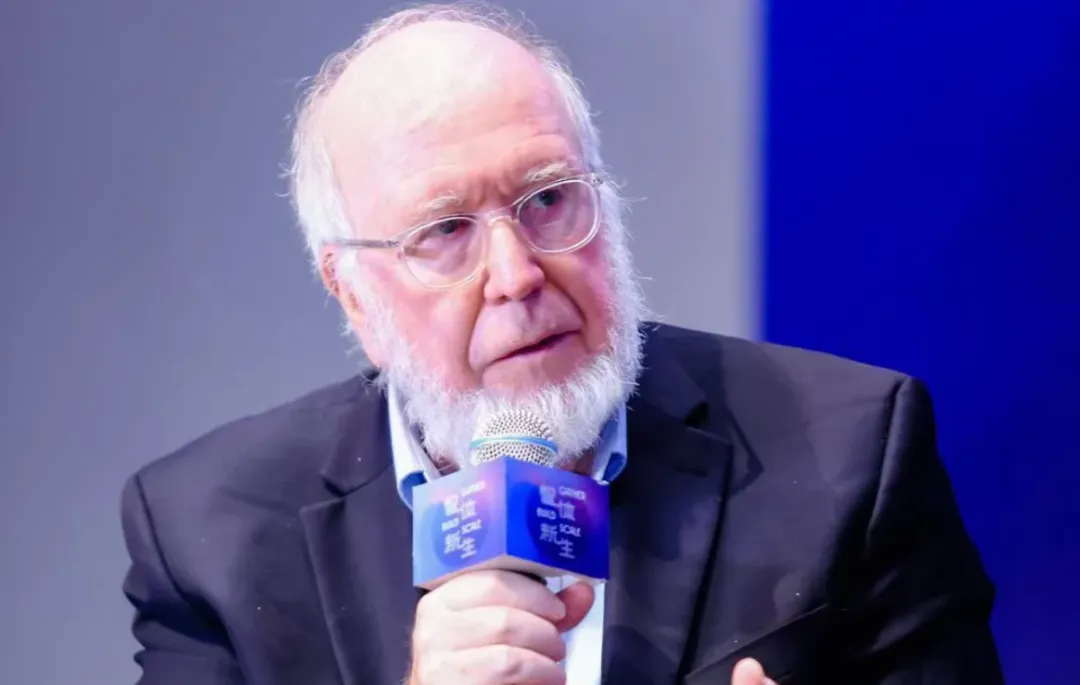

凯文·凯利WAIC演讲:都没看透AI ,但有3个方向互联网思想
凯文·凯利在2026世界人工智能大会(WAIC)的“物理世界新范式”分论坛主旨演讲及央视《高端访谈》对话。作为曾预言云计算、物联网的“科技先知”,他在会上探讨了AI终局、人机共生及未来5年的核心机遇。
来源:财经会议圈
凯文·凯利说了啥(AI总体判断)
他认为当前AI领域充满核心未知与不确定性(形态、集中化与否、就业影响、开源闭源等),这些疑问5年内都无解,但这种不确定性恰恰是创新契机。
AI的终局不是取代人类,而是走向“人机协同”——人类负责判断与责任,AI负责执行与增强,二者形成“人机共生”。
AI哪3个领域最好(未来5年核心赛道)
他认为未来5年最大的机遇在三大前沿:
现实世界智能(个人智能体与智能体经济):人人拥有“外延自我”般的专属智能体,跨设备伴随,形成自主交易、建信用的智能体经济生态,归属权与信任体系是空白机遇。
人形机器人:人类最复杂造物,需攻坚空间智能、仿生手、能源,至少还需10年才能全面成熟走入家庭。
“由此可见,通用人形机器人的全面成熟,至少还需要十年的深耕研发。”
AI情感能力:人机深度连接的核心,从识别情绪进化为完整情感感知与共情,建立真实情感羁绊,是未来AI产品核心竞争力。
凯文・凯利 WAIC2026 荣耀分论坛主旨演讲
演讲主题:AI 与人类的情感伙伴关系时间:2026 年 7 月 18 日,世界人工智能大会
各位下午好,非常荣幸来到上海,来到世界人工智能大会和大家交流。当下所有人都在热烈讨论人工智能的未来,但是我首先要抛出一个核心观点:目前没有任何专家能够彻底看透 AI 的未来。
我们面对着一系列悬而未决的根本性问题:通用人工智能 AGI 究竟能否实现?未来智能是走向少数巨头高度集中,还是分化为海量小型分布式智能体?人工智能最终会大规模取代人类工作岗位吗?行业长期路线,是开源生态占据主流,还是闭源模型持续主导?
对于这些重大问题,没有人拥有标准答案。行业不同赛道发展速度天差地别,有些方向飞速迭代,有些领域需要漫长深耕。并且这种巨大的不确定性,未来五年甚至更久都会持续存在。但不确定性本身,恰恰蕴藏着最大的创新机遇。今天我重点分享未来五年,人工智能最值得关注的三大前沿方向:人形机器人、AI 情感智能、智能体经济。
第一个方向:人形机器人。我坚定认为,人形机器人将会是人类有史以来制造出最复杂的造物,地球上除去人类本身,没有比它结构更繁复的工程产物。打造可靠通用人形机器人,要跨越三重硬核门槛:空间感知智能、高性能仿生机械手、超低功耗持续能源系统。我们如今在展会上看到大量样机可以完成行走、蹲起、挥手等演示动作,但这仅仅是工程起点。想要稳定走进工厂、家庭,适应复杂非结构化真实环境,通用人形机器人至少还需要十年持续投入研发。
很多人期待人形机器人快速大规模商用,但我们必须区分「舞台演示」和「全天候真实工况」。能在发布会流畅完成动作,距离长期稳定承担重复性工作,中间隔着巨大鸿沟。短期来看,专用场景的特种机器人会率先落地;通用人形机器人属于一场长期马拉松。
第二个方向:AI 情感智能,也是我今天最想强调的议题。过去大家训练 AI,目标是提升逻辑、推理、计算、信息检索能力。但下一个颠覆性拐点,将是人工智能发展出情感层面的伙伴能力。长久以来,大众默认 AI 只是冰冷工具。未来,人和 AI 之间会演化出真实的情感联结,形成一种全新伙伴关系。这不等于 AI 拥有自主意识,而是系统能够感知人类情绪、共情、长期陪伴、记住你的偏好、理解你的喜怒哀乐。很多人对此抱有疑虑,担忧情感 AI 会带来伦理风险。但技术趋势无法逆转:当 AI 不再仅仅用来完成任务,还可以陪伴、倾听、共情人类,它和人类之间的关系会彻底重构。工具关系,将进化为伙伴关系。这就是我所说的,AI 与人类的情感伙伴时代。
第三个方向:智能体与智能体经济。未来每一个普通人都会拥有专属个人智能体。智能体可以接收你的目标,自主拆解任务、寻找协作方、分配工作、验收成果。更进一步,智能体之间能够互相雇佣、交易、合作,最终诞生规模远超人类直接交易市场的智能体经济。
但智能体经济今天被一个关键瓶颈卡住:AI 尚且不能安全、可信地自主支配预算、完成交易。我们并不缺少更聪明的大模型,我们缺少一套完整配套体系:智能体身份确权、信用机制、权责界定、交易风控。随之而来还有一系列关键问题:智能体所有权归谁?归开发者、平台,还是使用它的普通人?如何建立跨平台智能体之间的信任体系,防止欺骗与恶意行为?信任体系,将是智能体时代最重要的基础设施。
在这里,我想延伸一个重要共识:人工智能替代的永远只是任务,而不是完整的人。AI 可以承接标准化、重复性工作模块,但是机器无法承担最终的责任。一旦行为产生法律后果、现实风险,承担责任的主体只能是人。短期之内不会出现大范围失业浪潮。AI 是放大人类能力的杠杆,如同百年前电力赋能各行各业,而不是彻底取代劳动者。
我同时想聊一聊技术演进的真实节奏,也就是「进托邦 Protopia」。很多媒体、创业者幻想 AI 会迎来突变式革命,要么迅速实现超级智能,要么立刻引发巨大灾难。现实并非如此。AI 的进步是渐进式复利增长:每年相比去年变好大约 1%,持续螺旋向上。新技术诞生一定会催生全新问题,而解决新问题唯一可行路径,就是发展更好的技术。不存在一劳永逸的终极方案。
另外我持续观察中国 AI 产业,中国蓬勃发展的开源模型生态具备独特优势。长远看,Token 成本会成为核心护城河。当下行业普遍疯狂烧钱,大家对推理成本并不敏感;一旦行业进入商业化盈利周期,成本竞争会成为胜负手。未来一年内,如果有团队能够把 Token 推理成本降低至当前十分之一,就掌握极强竞争筹码。即便模型性能小幅落后对手,极致低成本依然可以支撑规模化盈利。
最后,我总结一下。AI 浪潮才刚刚启程,我们仍然处在早期阶段。未来最大的机遇不在单纯堆砌更大参数的基础模型,而在于打通数字世界与物理世界、建立人与 AI 的情感联结、构建全新智能体协作网络。不要恐惧不确定性,学会和未知共处。技术最终走向,由此刻在座每一位从业者共同塑造。期待看见更多创新落地,期待人工智能成为人类长期协作的伙伴。谢谢大家。
Kevin Kelly 演讲英文还原原稿
The Emotional Partnership of AI and Humans
Good afternoon everyone. It’s a great honor to be here in Shanghai, at the World Artificial Intelligence Conference.
Everyone is intensely debating the future of AI today. Let me start with a key observation: no expert can fully foresee where artificial intelligence will ultimately go.
We face fundamental unanswered questions. Can AGI ever be achieved? Will intelligence become centralized in a handful of corporations, or split into countless small distributed agents? Will AI cause mass human unemployment long term? Will open-source ecosystems dominate, or closed proprietary models prevail?
Nobody has definitive answers. Different AI tracks advance at vastly different speeds; some evolve rapidly, others demand decades of slow research. This massive uncertainty will persist for at least the next five years.Yet uncertainty itself creates the greatest opportunities for innovation. Today I will focus on three major frontiers for AI over the next five years: humanoid robots, emotional intelligence for AI, and the agent economy.
First, humanoid robots.I firmly believe humanoid robots will be the most complex artifacts humanity has ever built. No engineered creation on this planet is more intricate than humanoids, except human beings themselves.
To build reliable general humanoid robots, we have to overcome three major barriers: spatial perception intelligence, high-performance bionic manipulators, and ultra-low-power sustainable energy systems.We see many demo robots walking, squatting and waving on exhibition floors, but those are only the very beginning. To operate steadily inside factories and homes, adapting to messy, unstructured real-world environments, general humanoid robots require at least another decade of continuous research.
Many hope humanoid robots will scale into mass commercial use quickly. We must separate stage demonstrations from stable all-day operation. Performing smoothly on a conference stage is a world apart from reliably working long shifts. Special-purpose industrial robots will reach commercial scale much sooner; general humanoids are a long-distance marathon.
Second, artificial emotional intelligence, the topic I want to emphasize most today.For years, researchers trained AI to improve logic, reasoning, computation and information retrieval. The next inflection point will come when artificial intelligence gains the capacity for emotional partnership with humans.
For a long time, people viewed AI merely as cold tools. In the future, genuine emotional bonds will form between humans and AI, creating an entirely new kind of partnership. This does not mean AI will develop independent consciousness. It means systems can perceive human moods, offer empathy, maintain long-term memory of preferences, and understand joy, frustration and emotion.
Many express ethical concerns about emotional AI, and those concerns deserve discussion. But the technological trend cannot be reversed. When AI is no longer only a task executor, but a companion that listens and empathizes, the human-AI relationship will be fundamentally transformed. The tool relationship evolves into a partnership. That is the era of emotional partnership between AI and humans.
Third, intelligent agents and the agent economy.Every ordinary person will own a personal intelligent agent in the future. Agents can receive your objectives, break down tasks independently, find collaborators, assign work and verify results. Going further, agents can hire one another, trade and cooperate. Eventually, an agent economy will emerge, with transaction volume far exceeding markets where only humans trade directly.
Yet the agent economy hits a critical bottleneck right now: AI cannot safely and credibly manage budgets and complete transactions autonomously. We do not necessarily need smarter large language models. What we lack is a complete supporting infrastructure: identity verification for agents, trust mechanisms, liability rules, and transaction risk control.
Critical questions follow: Who owns an intelligent agent? The developer, the platform, or the individual user? How can we build cross-platform trust between unknown agents to prevent fraud? Trust infrastructure will become foundational to the agent age.