


莎士比亚的Dark Lady
莎士比亚十四行诗第130首 一、原文 Shakespeare's Sonnet 130 My mistress'eyes are nothing like the sun; Coral is far more red than her lips' red; If snow be white, why then her breasts are dun; If hairs be wires, black wires grow on her head. I have seen roses damasked, red and white, But no such roses see I in her cheeks; And in some perfumes is there more delight Than in the breath that from my mistress reeks. I love to hear her speak, yet well I know That music hath a far more pleasing sound; I grant I never saw a goddess go; My mistress, when she walks, treads on the ground. And yet, by heaven, I think my love as rare As any she belied with false compare.
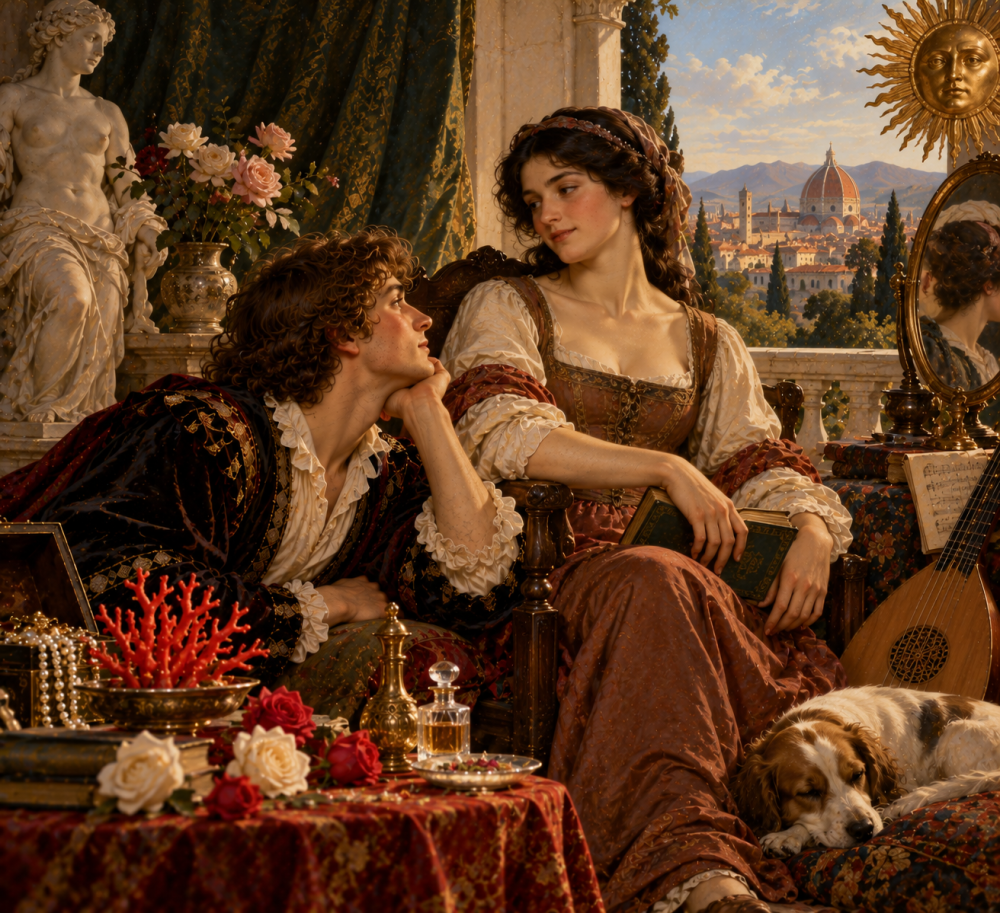
二、译文 七言古风(入声韵转平声韵) 伊人明眸非太阳,珊瑚更胜朱唇色。 不似雪白胸暗棕,发比金丝色乌黑。 曾见玫瑰红亦白,颊上无此美容妆。 伊人气息呼之出,不及香水吐芬芳。 爱听软语声声绕,却知琴音更悠扬。 伊人举步踏平地,未见女神步徜徉。 指天伊人为稀珍,不输妄比美娇娘。 (入声“黑”念“赫”) 三、译后记 莎士比亚第130首以反传统的方式描写情人。诗人逐一否定太阳、珊瑚、雪、玫瑰、香气、音乐与女神等常见的美人比喻,既不夸饰爱人的容貌,也不掩饰她与理想化美人之间的差异。结尾却郑重宣称,自己的爱人同样珍稀,不亚于那些靠虚假比喻吹捧的女子。 本译采用七言古风,以偶数句押韵,入声韵起平声韵收,尽量在古雅诗体与原诗的精神之间取得平衡。“伊人”贯穿全诗,使人物描写前后呼应;“暗棕”以简洁的色彩表达对应 dun 的棕褐色调。末句“不输妄比美娇娘”针对“虚假比喻”讽刺传统美人修辞,诗人的情人不比她们差。莎士比亚时代的 dark lady 与 fair lady 相对。 “黑美人”是后世对莎士比亚十四行诗中一位女性形象的称呼。诗中的 dark 既可能涉及头发、眼睛和肤色(棕褐色),也承载着对传统女性美学的挑战。莎士比亚十四行诗第127首中的关键句: In the old age black was not counted fair, Or, if it were, it bore not beauty’s name; 昔日世人不以黑为美, 纵使为美,亦不称其为美。 典故: Diella (Richard Linche) Swift-footed Time, look back, and here mark well Those rare-shaped parts my pen shall now declare! My mistress' snow-white skin doth much excel The pure-soft wool Arcadian sheep do bear; Her hair exceeds gold forced in smallest wire, In smaller threads than those Arachne spun; Her eyes are crystal fountains, yet dart fire, More glorious to behold than midday sun; Her ivory front, though soft as purest silk, Looks like the table of Olympic Jove, Her cheeks are like ripe cherries laid in milk, Her alabaster neck the throne of Love; Her other parts so far excel the rest, That wanting words, they cannot be expressed.