
她只写了家乡的薄饼,被哈佛大学录取纽约时报
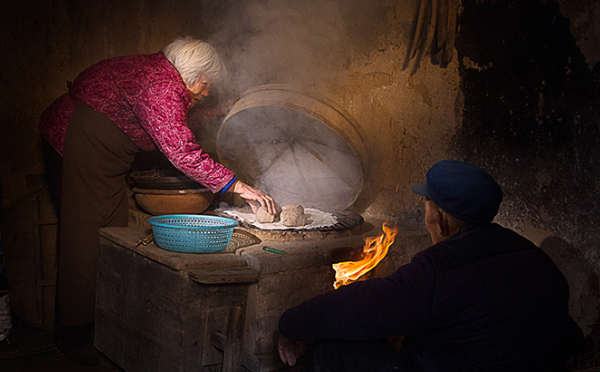
My grandmother hovers over the stove flame, fanning it as she melodically hums Kikuyu spirituals. She kneads the dough and places it on the stove, her veins throbbing with every movement: a living masterpiece painted bya life of poverty and motherhood. The air becomes thick with smoke and I am soon forced out of the walls of the mud-brick house while she laughs.
中文翻译:祖母守在炉火旁,一边扇火,一边悠扬地哼唱着基库尤族的圣歌。她揉着面团将其放在炉上,手臂上的血管随着每一个动作而跳动:那是贫穷与母职磨砺出的一幅鲜活杰作。空气中弥漫着浓烟,我很快就被熏出了这间泥砖房,身后传来她爽朗的笑声。
As for me, I wander down to the small stream at the ridge on the farm’s edge, remembering my father’s stories of rising up early to feed the cows and my mother’s memories of the sweat on her brow from hours of picking coffee at a local plantation.
中文翻译:至于我,则漫步到农场边缘山脊下的小溪边。我想起父亲曾讲过清晨起床喂牛的往事,也想起母亲回忆在当地种植园采摘咖啡数小时后额头上渗出的汗水。
Life here juxtaposes itself profoundly against the life I live in America; the scourge of poverty and flickering prosperity that never seem to coalesce. But these are the two worlds I have inherited, and my existence in one is not possible without the other. At the stream, I recollect my other life beyond this place. In America, I watch my father come home every night, beaten yet resilient from another day of hard work on the road. He sits me and my sister down, and though weary-eyed, he manages the soft smile I know him for and asks about our day.
中文翻译:这里的日子与我在美国的生活形成了鲜明对比;一边是贫穷的苦难,一边是闪烁的繁荣,两者似乎从未交汇。但这正是我继承的两个世界,没有其中一个,我的存在便不完整。在溪边,我追忆起此地之外的另一种生活。在美国,我看着父亲每晚下班回家,虽被长途奔波折腾得筋疲力尽,却依然坚韧。他让我们姐妹坐下,尽管眼神疲惫,仍露出那抹我熟悉的温柔微笑,询问我们的近况。
My sister is quick to oblige, speaking wildly of learning and mischief. In that moment, I realize that she is too young to remember our original home: the old dust of barren apartment walls and the constant roar outside of life in the nighttime.
中文翻译:妹妹总是兴致勃勃地回应,胡乱谈论着学校的见闻和调皮捣蛋的趣事。那一刻我意识到,她还太小,不记得我们最初的家:那空荡荡的公寓墙壁上沉积的尘土,以及窗外深夜里永不停歇的喧嚣。
Soon after, I find myself lying in bed, my thoughts and the soft throb of my head the only audible things in the room. I ponder whether my parents — dregs floating across a diasporic sea before my time — would have imagined their sacrifices for us would come with sharp pains in their backs and newfound worries, tear-soaked nights and early mornings. But, it is too much to process. Instead, I dream of them and the future I will build with the tools they have given me.
中文翻译:不久后,我躺在床上,屋内唯一能听见的是我的思绪和头部轻微的跳动感。我在想,父母当年作为流散海外的一员,是否曾预料到为我们做出的牺牲,会换来背部的剧痛、无尽的忧虑、泪水浸湿的夜晚和每一个清晨。但这些思绪太过沉重。于是,我梦见了他们,以及我将利用他们赋予我的工具去创造的未来。
Realizing I have mused far too long by the water’s edge, I begin to make my way back to the house. The climb up the ridge is taxing, so I carefully grip the soil beneath me, feeling its warmth surge between my fingers. Finally, I see my younger cousins running around barefoot endlessly and I decide to join their game of soccer, but they all laugh at the awkwardness of the ball between my feet. They play, scream and chant, fully unaware of the world beyond this village or even Nairobi, but I cannot blame them. My iPhone fascinates them and they ask to see my braces, intently questioning how many “shillings” they cost. I open my mouth to satisfy their curiosity, but my grandmother calls out, and we all rush to see what she has made.
中文翻译:意识到自己在水边思索太久,我开始往回走。爬坡很费力,我小心地抓着脚下的泥土,感受温暖在指间涌动。终于,我看到年幼的表亲们正赤脚疯跑,便加入他们的足球赛,可他们都嘲笑我笨拙的脚法。他们嬉戏、尖叫、欢呼,对村庄乃至内罗毕以外的世界一无所知,但我无法责怪他们。我的iPhone令他们着迷,他们还要看我的牙套,认真地打听这得花多少“先令”。我正要满足他们的好奇心,祖母却在叫我们了,大家纷纷冲过去看她做了什么好吃的。
When I return, the chapatis are neatly stacked on one another, golden-brown disks of sweet bread that are the completion of every Kenyan meal. Before my grandmother can ridicule me in a torrent of Kikuyu, I grab a chapati and escape to find a patch of silky grass, where I take my first bite. Each mouthful is a reminder that my time here will not last forever, andthat my success or failure will become a defining example for my sister and relatives.
中文翻译:回到家,恰帕提(肯尼亚薄饼)整齐地叠放着,这些金黄色的甜味圆饼是每顿肯尼亚餐点的灵魂。在祖母用基库尤语“连珠炮”般地调侃我之前,我抓起一张饼逃到一片柔软的草地上,咬下了第一口。每一口都在提醒我:我在这里的时光不会永恒,而我的成败将成为妹妹和亲戚们眼中的定义标杆。
The rift between high school and college is wide, but it is one I must cross for those who have carried me to this point. The same hope that carried my parents over an ocean of uncertainty is now my fuel for the journey toward my future, and I go forward with the radical idea that I, too, can make it. Savoring each bite, I listen to the sound of neighbors calling out and children chasing a dog ridden with fleas, letting the cool heat cling to my skin.
中文翻译:高中与大学之间的鸿沟是巨大的,但为了那些托举我走到今天的人,我必须跨越它。那份曾支撑父母漂洋过海、跨越未知汪洋的希望,如今成了我通往未来旅程的燃料。我带着一种“激进”的信念前行:我也能成功。细细品味着每一口薄饼,听着邻居的呼唤声和孩子们追逐流浪狗的嬉闹声,我任由那带着凉意的燥热紧贴肌肤。
这篇文书的结构非常精巧,它像是一部电影剪辑,在两个时空之间来回穿梭,最后在一个点上汇合。它的结构逻辑是这样的:
镜头切入: 先给一个极具生活气息的特写。祖母揉面团的手、灶台的烟火气,一下就把读者拽进了那个特定的文化氛围里。这是“定调”。
时空穿梭: 接着,作者并没有顺着肯尼亚写下去,而是通过在溪边漫步这个动作,把思绪拉回了美国。她把父亲在长途路上的奔波、旧公寓里的灰尘,和眼前的泥砖房做了一个平行对比。
认知碰撞: 这里是本文的冲突和认知升级的aha moment。冲突并不激烈,主要是外在的环境刺激——iPhone、牙套与赤脚的表亲,这是一种“碰撞和错位”。但作者在这一刻清醒地意识到,自己身上所承载的希冀和盼望。
意象闭环: 最后,故事又回到了那叠金黄色的薄饼上。开头在揉面,结尾在吃饼。这一口饼,把父母的牺牲、祖母的坚韧和她自己的未来全部串在了一起。
■ 2025年科研人员的“治愈一刻”(组图)
■ 身边人,身边景(组图)
■ 怼天怼地砸老黄——LeCun的那些事儿(组图)
■ AI芯片将迎来产能爆发与价格崩塌(组图)
■ 如何“健康地死去”?(组图)